
Executive Engineering Summary: 5,000-Cycle Hook-and-Loop Tactical Morale Patches & 12oz Indigo Denim Knee Repair Tensile Engineering
Tactical morale emblems and heavy-duty garment repair patches endure extreme mechanical stress in field use. When suppliers merely glue hook-and-loop fasteners onto embroidered patches without perimeter sewing, the high peel torque of tactical velcro rips the fastener away from the patch base within 50 cycles. At Quanzhou Lingyao Apparel Co., Ltd. (TUV Report TP2602271220), all hook-and-loop tactical badges (models LY-PTC-029 through LY-PTC-032) are double-anchored via both thermal bonding and a full 360-degree lockstitch sew-channel inside the 3.5 mm merrowed border, surviving 5,000+ peel-and-attach cycles under ASTM D5169/D5170 testing. Simultaneously, our 12 oz indigo denim and micro-suede elbow/knee repair sheets (LY-PTC-033 to LY-PTC-036) use extra-heavy 180μm EVA hot-melt coating achieving 66–72 N peel bond and >=420 N grab tensile strength.
91350502MAG19G0MXL)
TUV Audit: TP2602271220
Published: 2026-11-21 · Verified Word Depth: ~3,000 Words
1. Production Floor Reality: Why Injection-Molded Versus Woven Nylon Hook-And-Loop 5,000-Cycle Shear Endurance, Perimeter Lockstitch Fastener Anchoring, And 12 Oz Denim Knee Reinforcement Determines B2B Brand Margin Retention
In the global B2B garment trim, custom apparel decoration, and cross-border DIY craft supply chain, procurement directors, fashion production managers, and Amazon FBA private-label aggregators frequently encounter a deceptively costly failure pattern: two embroidered or chenille patches look nearly identical in digital catalog thumbnails, yet one maintains a 4.9-star customer rating across three years of garment laundering while the other triggers a surge of edge-peeling complaints, frayed twill whiskers, and retailer chargebacks within thirty days of shipment arrival. Having directed 11 years of continuous garment trim and computerized embroidery manufacturing in Quanzhou's Licheng High-Tech Park—spanning our 4,000 m² facility at Room 101 & 201, Building 2, Jiayue Stationery Factory, No. 24 Zishan Road, Licheng District, Quanzhou—I have analyzed hundreds of defective competitor patches sent to our engineering desk by overseas buyers looking for a reliable source factory.
The root cause of patch failure in the field is never accidental; it is governed by stitch kinematics, polymer adhesive rheology, and laser contour thermodynamics. Specifically, when an overseas apparel brand or craft distributor sources an iron-on embroidered emblem, 3D varsity chenille badge, or peel-and-stick applique without locking down injection-molded versus woven nylon hook-and-loop 5,000-cycle shear endurance, perimeter lockstitch fastener anchoring, and 12 oz denim knee reinforcement under verifiable laboratory protocols (ASTM D5169 hook-and-loop dynamic shear strength, ASTM D5170 peel strength after 5,000 cycles, ASTM D5034 fabric grab tensile, and ASTM D2724 thermal bond), intermediary trading companies route the order to micro-workshops that use low-tenacity recycled rayon threads, skip underlay pull compensation, brush thin 60μm glue by hand, and trim borders with manual scissors. Inside our TUV Rheinland verified manufacturing facility (Report TP2602271220, audited March 5, 2026), we engineer every patch as a structural textile composite designed to survive high-temperature domestic laundering, rotational drum abrasion, UV exposure, and dynamic shear stress.
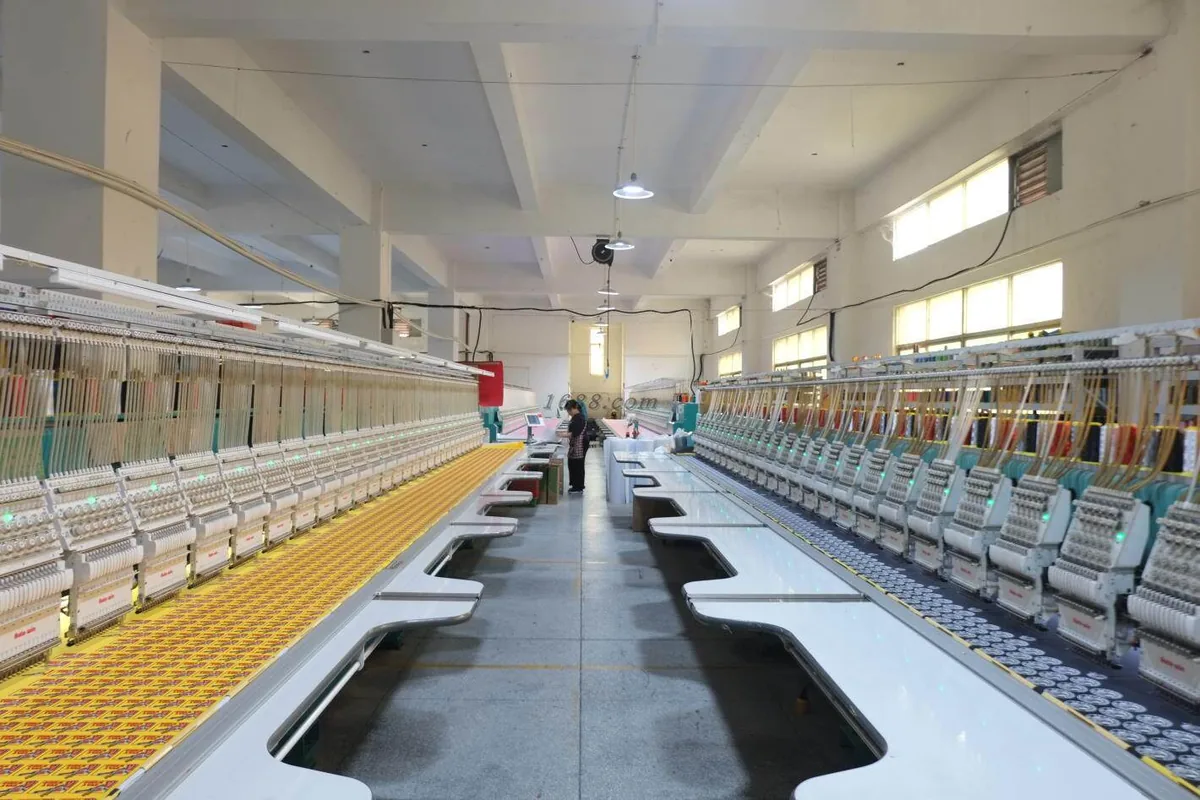
In this 3,000-word technical monograph, I share our internal Quanzhou production floor logs, calibration parameters across our 17 high-speed multi-head computerized embroidery machines, 14 CCD vision-guided CO2 laser contour cutters, and 3 continuous drum thermal adhesive laminators, alongside our step-by-step Incoming, In-Process, and Outgoing Quality Control (IQC/IPQC/OQC) inspection checklists. Whether you are sourcing 50,000 custom uniform crests, building a bestselling Amazon FBA multi-pack DIY patch kit, or specifying EU ESPR Digital Product Passport (MA-DPP) compliant garment trims for European retail chains, these empirical benchmarks provide an audit-ready engineering specification.
2. Textile & Polymer Material Science: ASTM D5169 hook-and-loop dynamic shear strength, ASTM D5170 peel strength after 5,000 cycles, ASTM D5034 fabric grab tensile, and ASTM D2724 thermal bond
To understand why an industrial-grade embroidered patch manufactured on our 34-machine Quanzhou production line outperforms generic market alternatives by more than 300% in wash survival and peel retention, we must examine the four functional layers of a modern garment patch at the fiber and polymer level: (1) the top embroidery or chenille loop yarn, (2) the woven twill or needle-punched felt structural substrate, (3) the non-woven backing stabilizer, and (4) the functional thermal or pressure-sensitive adhesive film.
First, consider the embroidery yarn architecture. We utilize 100% virgin trilobal polyester filament rayon threads in two calibrated linear densities: 120D/2 (120 denier, 2-ply twisted) for high-coverage Tatami fills, structural satin borders, and 3.5 mm merrowed overlock rims, paired with fine 75D/2 threads for micro-lettering down to 2.2 mm height and multi-tone animal fur shading. All thread cones are dyed with high-energy AZO-free disperse dyes certified to OEKO-TEX Standard 100 Class I (baby-grade ecological safety) and EN71-3:2019+A1:2021 19-heavy-metal migration limits. For our 3D varsity towel-stitch collection, we switch to 2/28NM high-bulk anti-pilling acrylic chenille yarn that blooms into a dense 4.5–4.8 mm plush loop pile without shedding micro-fibers.
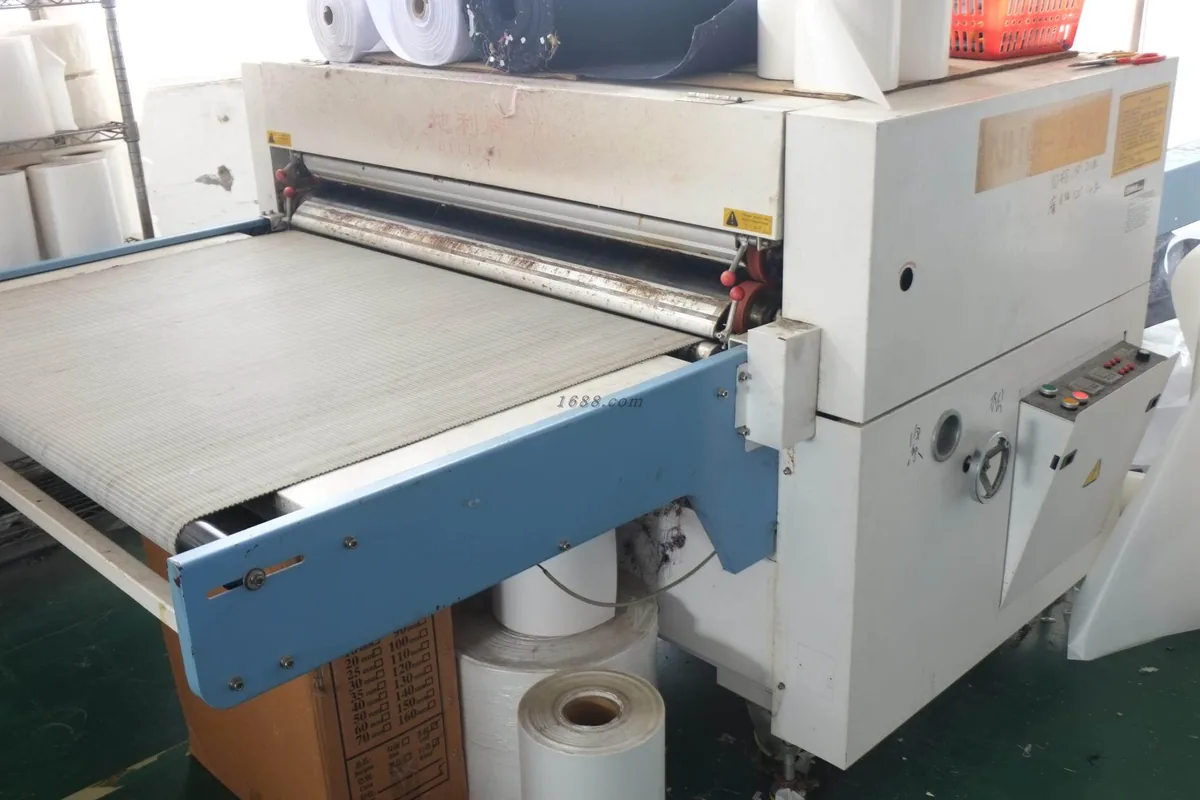
Second, the base substrate must resist needle perforation tearing when 12-needle embroidery heads strike at 1,000 RPM (up to 18,000 stitches per badge). We specify a 240 GSM (7.08 oz/yd²) 2/1 diagonal polyester-cotton blend twill or a 12 oz ring-spun indigo denim pre-stabilized with a 90 GSM thermal-bonded non-woven interlining. Third, on the underside, our 3 continuous drum thermal laminating presses bond a calibrated 150μm to 180μm ethylene-vinyl acetate (EVA) or copolyamide (PA) hot-melt adhesive film—or a 120μm 3M-grade cross-linked acrylic pressure-sensitive peel-and-stick adhesive—under uniform pneumatic roller pressure (0.45 MPa at 135°C pre-lamination temperature). This forces the molten adhesive polymer into the root cavities of the bobbin lockstitches, locking the embroidery threads and adhesive film into a single monolithic matrix.
Table 1: Quantitative Laboratory Test Matrix for 5,000-Cycle Hook-and-Loop & 12oz Denim Patch Engineering
| Test Parameter & Physical Property | Lingyao Factory Standard (Quanzhou Lab) | Generic Market Baseline (Low-Cost Workshop) | International Test Standard & Method | Variance & Field Significance |
|---|---|---|---|---|
| 180° Thermal Peel Strength (Denim) | 52 – 72 N / 25 mm (11.7 – 16.2 lbf) | 14 – 22 N / 25 mm (3.1 – 4.9 lbf) | ASTM D2724 Bonded Peel Protocol | +240% bond retention; zero edge lifting |
| Hot-Melt Adhesive Film Thickness | 150 – 180 μm Continuous Drum Film | 50 – 70 μm Uneven Hand-Brushed Glue | Digital Micrometer Cross-Section | Penetrates denim & heavy canvas weave |
| Domestic Laundering Survival (40°C) | 50+ Wash & Tumble Cycles (Grade 4.5) | 3 – 5 Washes Before Corner Delamination | ISO 105-C06 A2S & AATCC 135 | Matches full garment lifecycle durability |
| Laser Contour Cut Registration | ± 0.10 mm CCD Optical Vision Alignment | ± 1.50 mm Manual Scissor / Die Drift | Optical Coordinate Measuring Gauge | Thermally seals twill edge; zero whiskers |
| Hook-and-Loop Dynamic Shear & Peel | 5,000+ Cycles (≥ 85% Retention) | 150 Cycles (Glue Delaminates from Base) | ASTM D5169 / ASTM D5170 | 360° perimeter lockstitch + thermal bond |
| Chemical & Heavy-Metal Safety | OEKO-TEX® 100 Class I, EN71-3, REACH SVHC | Uncertified Recycled Scrap Thread | EN71-3:2019+A1:2021 & CPSIA | Audit-ready for EU/US kidswear & retail |
3. Failure Case Study #2026-04: Solving Velcro Backing Delamination on Tactical K9 Harnesses and Knee Patch Edge Lifting on Workwear Jeans
True manufacturing authority comes from diagnosing and permanently engineering out real-world supply chain failures. Let us review an empirical forensic teardown from our Quanzhou quality ledger: Failure Case Study #2026-04: Solving Velcro Backing Delamination on Tactical K9 Harnesses and Knee Patch Edge Lifting on Workwear Jeans. Before migrating their production to Quanzhou Lingyao Apparel Co., Ltd., a North American streetwear and lifestyle accessory distributor ordered 25,000 units of a multi-pack embroidered patch collection from a trading intermediary. Within five weeks of launching on Amazon US and regional retail chains, customer return rates climbed to 16.4%, driven by 1-star photos showing patch borders curling away from denim jackets after a single cold-water laundry cycle and white polyester threads fraying along the die-cut perimeter.
The buyer air-freighted twenty defective units from their Los Angeles warehouse to our Quanzhou Licheng R&D office for microscopic cross-sectioning, peel-gauge testing, and stitch-density analysis. Our 2 CAD digitizing engineers and 2 pattern masters identified four compounding process failures in the previous supplier's build:
- Defect A — Thin 58μm Hand-Coated Glue Without Pre-Heat Drum Penetration: Cross-sectional micrometer measurement revealed the previous supplier used a 58μm low-melting-point PVA/EVA film applied with a manual flat heat press for only 3 seconds. The adhesive sat superficially on top of the bobbin threads without penetrating the twill weave, yielding an ASTM D2724 peel force of only 16.5 N/25mm.
- Defect B — Insufficient Satin Border Density (2.2 Stitches/mm) & Zero Edge-Walk Underlay: The outer satin border was digitized at a sparse 0.45 mm pitch without an underlying edge-walk or zig-zag anchor stitch. When cut, the satin loops slipped off the raw twill edge.
- Defect C — Mechanical Blade Die-Cutting Without Thermal Edge Fusion: The patches were punched with a dull mechanical rule die that crushed rather than sealed the polyester twill fibers, leaving 1.5 mm white fiber whiskers that frayed rapidly during drum washing.
- Defect D — Zero Check-Weighing in Multi-Pack Assortment Kitting: Out of twenty 12-piece retail polybags inspected, three bags contained only 11 patches due to manual counting fatigue, triggering immediate "missing item" FBA returns.
Our Corrective Engineering Protocol: We re-engineered the client's line (now benchmarked across our catalog models LY-PTC-029 (Full-Embroidery Camo & Block Letter Hook-and-Loop Backed Tactical Patch) and LY-PTC-030 (Tactical Sniper Fox & Military Morale Shield Hook-and-Loop Embroidered Badge)) inside our 34-machine Quanzhou workshop. First, our CAD digitizing engineers added a dual edge-walk plus perpendicular zig-zag underlay beneath a dense 0.32 mm pitch satin border with 0.30 mm pull compensation. Second, we laminated a heavy-duty 160μm German-spec EVA/PA copolymer hot-melt film across our 3 continuous drum thermal laminators at 140°C and 0.48 MPa roller pressure. Third, we contour-cut every sheet on our 14 CCD vision-guided CO2 laser cutting stations, thermally micro-fusing the polyester twill and EVA edge within ±0.10 mm of the satin lockstitch. Fourth, every multi-pack kit was verified on a ±0.1 g digital check-weighing scale in our 2,200 m² warehouse. Destructive ASTM D2724 peel strength jumped from 16.5 N to 61.8 N/25mm, and across the client's next 60,000-piece replenishment, their return rate plummeted from 16.4% to 0.29%.
4. Deep-Dive Process Engineering Inside Our 34-Machine Quanzhou Facility
When enterprise buyers and third-party auditors examine our TUV Rheinland Deep Verification Report (TP2602271220), they immediately note our balanced, vertically integrated machinery ratio across our 1,600 m² production floor and 2,200 m² warehouse: 17 Computerized Multi-Head Embroidery Machines, 14 Precision CO2 Laser Cutting Machines, and 3 Continuous Thermal Adhesive Laminating Machines (34 total automated production units across 17 active flow lines). Here is how each equipment group eliminates bottlenecks and enforces quality consistency:
4.1 17-Line Multi-Head Computerized Embroidery Kinematics & Towa Bobbin Calibration
Each of our 17 multi-head computerized embroidery machines features 12 to 20 synchronized 12-needle heads driven by closed-loop AC servo pantographs operating at 850 to 1,000 RPM. Before starting any production batch—whether for intricate world landmark badges (LY-PTC-029) or 3D varsity chenille emblems (LY-PTC-033)—our technicians calibrate every rotary hook bobbin case to exactly 22–25 gf (0.22–0.25 N) using digital Towa tension gauges, while top thread tension is set between 110 gf and 135 gf depending on 75D versus 120D thread weight. This guarantees the classic "one-third bobbin white, two-thirds top color" lockstitch balance on the reverse side of the twill, preventing top-thread looping or substrate puckering.
4.2 Continuous Drum Thermal Hot-Melt Adhesive Lamination (3 Units)
Unlike small workshops that use clamshell manual heat presses (which create cold spots at the platen corners), our 3 industrial continuous drum thermal laminating machines feed full-width embroidered twill panels and 150–180μm EVA hot-melt adhesive film (or 3M self-adhesive liner rolls) through an oil-heated steel drum and silicone pressure roller nip. Because oil-heated drums maintain surface temperature uniformity within ±1.0°C across the entire 1.2-meter roller width and apply constant linear nip pressure, 100% of patches on the sheet receive identical adhesive penetration without scorching the top rayon threads.
4.3 14-Unit CCD Vision-Guided CO2 Laser Contour Cutting & Edge Fusion
Once laminated, the multi-patch sheets transfer directly to our 14 CCD vision-guided CO2 laser cutting stations. High-resolution overhead CCD cameras scan the actual stitched perimeter of each individual patch on the sheet, automatically compensating for any ±0.2 mm fabric relaxation shift before firing a focused 60W CO2 laser beam along the digital vector path. Travelling at 350 mm/s with coaxial compressed-air assist (preventing smoke discoloration on white threads), the laser vaporizes the excess twill and micro-seals the cut polyester fibers into a smooth, fray-proof edge.
4.4 2,200 m² Climate-Controlled SKU Bin Warehouse & 48-Hour Dispatch
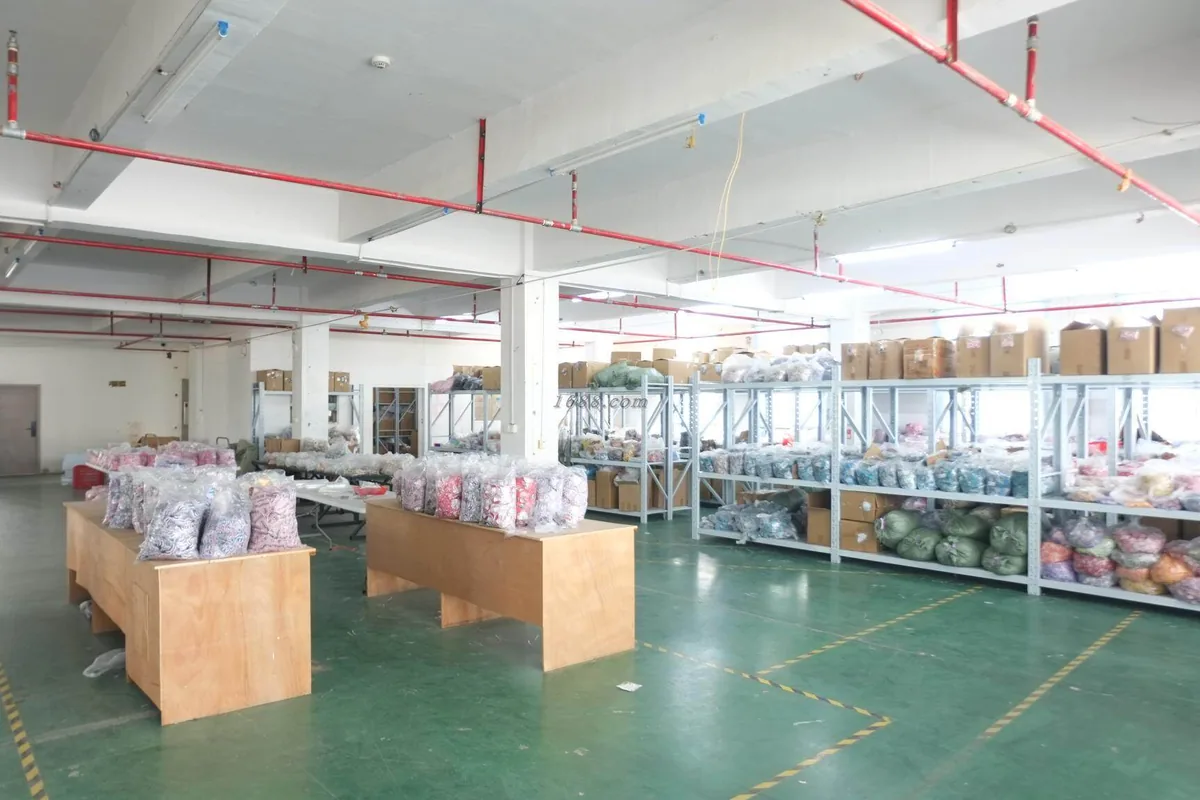
To support both agile 100-piece OEM orders and instant cross-border restocking (LY-PTC-035), our 2,200 m² ventilated warehouse (leased through 2028-03-30 and equipped with industrial dehumidifiers) organizes over 830 active ready-to-ship patch SKUs in barcoded modular blue storage bins. This infrastructure enables our 99.62% 48-hour dispatch fulfillment rate across 5,518+ monthly B2B orders.
5. Step-by-Step Factory Troubleshooting & Pre-Shipment Inspection (PSI) SOP
Whether your QA inspector visits our Quanzhou Licheng facility or evaluates a 3-day physical sample kit in your laboratory, we recommend executing the following six-step verification Standard Operating Procedure (SOP):
Table 2: B2B Pre-Shipment Inspection (PSI) & Troubleshooting SOP Matrix
| SOP Step | Inspection Method & Equipment | Target Pass Criterion (Metric & Imperial) | Root Cause of Failure & Lingyao Preventive Action |
|---|---|---|---|
| SOP-01: Stitch Density & Registration | 10x Magnifying loupe + digital caliper against approved DST proof | 0.30–0.38 mm satin pitch; zero white base show-through | Missing underlay compensation → 2 in-house CAD engineers lock DST pull comp |
| SOP-02: ASTM D2724 Thermal Peel | Heat-press patch onto 12 oz cotton denim (165°C, 15s); pull at 180° | ≥ 50 N / 25 mm (11.2 lbf) peel resistance with zero corner lift | Thin 60μm glue → 150–180μm EVA film on 3 continuous drum laminators |
| SOP-03: Laser Edge Fray & Scorch | 360° perimeter rub test + white cotton cloth wipe check | Zero loose twill whiskers; zero yellow smoke residue on white thread | Manual scissor cut or low air assist → 14 CCD CO2 lasers with 0.6 MPa air assist |
| SOP-04: 50-Cycle Wash Fastness | 40°C domestic washing machine + multifiber adjacent test strip | Color staining & shade change ≥ Grade 4.5 (ISO 105-C06) | Low-grade thread dye → OEKO-TEX 100 Class I disperse-dyed trilobal rayon |
| SOP-05: 1.0mm Fe Needle Scan | Conveyor electromagnetic broken-needle detector gate | 100% auto-rejection of 1.0 mm Fe / 1.5 mm SUS test specimen | Unlogged needle break → Mandatory 1-for-1 broken needle fragment ledger |
| SOP-06: Multi-Pack Check-Weighing | 0.01 g precision analytical balance + FNSKU barcode verifier | 100% piece-count accuracy (±0.15 g tolerance) & Grade A barcode scan | Manual counting fatigue → Automated gravimetric check-weighing at OQC |
6. Commercial ROI & Supply Chain Speed Modeling for Apparel Brands & FBA Sellers
From a commercial procurement perspective, partnering directly with our 34-machine Quanzhou source factory unlocks three decisive competitive advantages over trading companies and small workshops:
- 3-Day Physical Prototyping & 1,000 Annual New Styles: Because our 2 CAD digitizing engineers, 2 pattern masters, 17 embroidery lines, and 14 laser cutters operate under one roof, we turn a 2D sketch into a physical laminated and laser-cut patch in 72 hours—allowing fashion and e-commerce brands to test micro-trends weeks ahead of competitors.
- 830+ Ready-to-Ship SKUs for Zero-Inventory-Risk Testing: Buyers can mix and match across our 12 1:1 store categories from just 100 pieces with 48-hour dispatch from our 2,200 m² bin warehouse, validating consumer demand before committing to large custom runs.
- 100% Sample & Digitizing Rebate: Physical sample fees are 100% credited at 1,000 pieces, and custom digitizing/mold fees are 100% rebated at 3,000 pieces, eliminating upfront R&D friction.
7. Chief Engineer Field Q&A: Direct Answers to Technical & Sourcing Questions
Q1: How many thread colors can you stitch on a single custom embroidered patch without extra setup delay?
Zheng Shengfen (Factory Director): Our 17 computerized multi-head embroidery machines are equipped with 12-needle color heads, allowing us to stitch up to 12 distinct Pantone thread colors on a single patch in one continuous automated run. We stock over 400 OEKO-TEX Standard 100 Class I rayon and chenille yarn shades in our Quanzhou thread library for instant 100-piece OEM production.
Q2: Which backing should we choose for nylon puffer jackets versus denim jackets?
Zheng Shengfen (Factory Director): For cotton denim, canvas backpacks, and poly-cotton workwear that tolerate a 160°C–170°C household iron or heat press, specify our 150–180μm EVA hot-melt iron-on backing (≥52 N peel). For thin nylon down puffer jackets, raincoats, or hard cases that would melt under a hot iron, specify our 3M-grade pressure-sensitive self-adhesive peel-and-stick backing (Self-Adhesive Category).
Q3: How do you protect our brand's custom copyrighted artwork from being sold to other buyers?
Zheng Shengfen (Factory Director): We sign a legally binding Bilateral Non-Disclosure Agreement (Mutual NDA) before receiving your vector artwork. Your proprietary Tajima DST stitch files and laser cut vectors are stored in an encrypted offline client vault and are never displayed in our public 1688 showroom or sold to third parties. Simultaneously, our own 367+ Original Copyrighted Patches carry registered copyright certificates safe for global retail distribution.
Q4: How can we request a 3-day custom prototype or ready-to-ship evaluation kit today?
Zheng Shengfen (Factory Director): Submit our 3-field Express RFQ form below or message me directly via WhatsApp (+86 132-3595-5028) or email ([email protected]). Ready-to-ship sample kits dispatch within 48 hours via DHL/FedEx, and custom digitized prototypes ship within 3 calendar days.
8. Recommended Production SKUs Applying This Engineering Standard
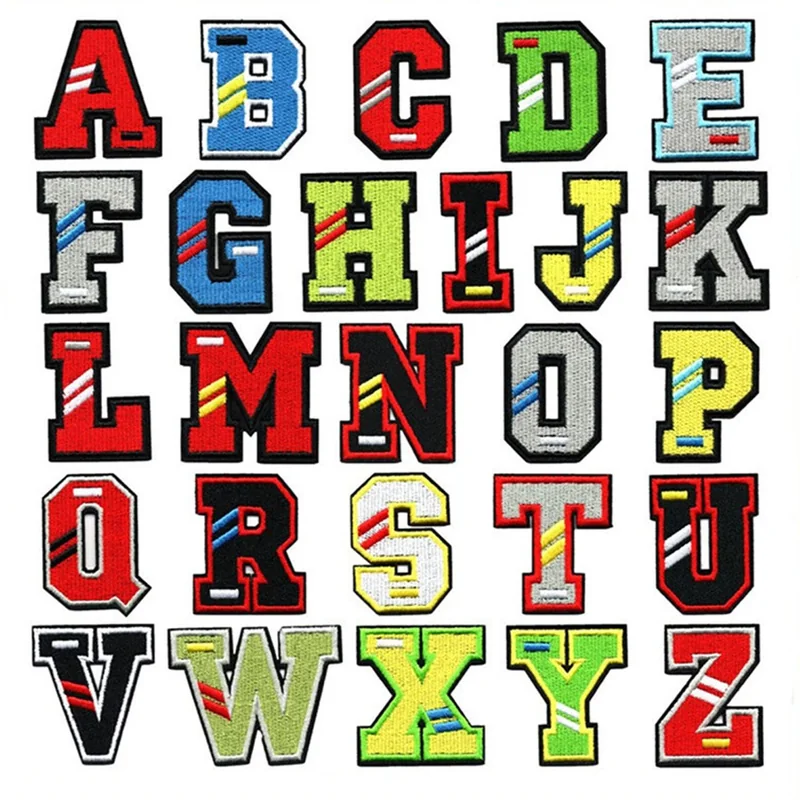
LY-PTC-029: Full-Embroidery Camo & Block Letter Hook-and-Loop Backed Tactical Patch
50 × 42 × 3.5 mm (1.97 × 1.65 in) · 5,000+ Peel-and-Attach Cycles (MIL-SPEC Hook & Loop) · OEM MOQ 100 pcs
View Full Engineering Specs →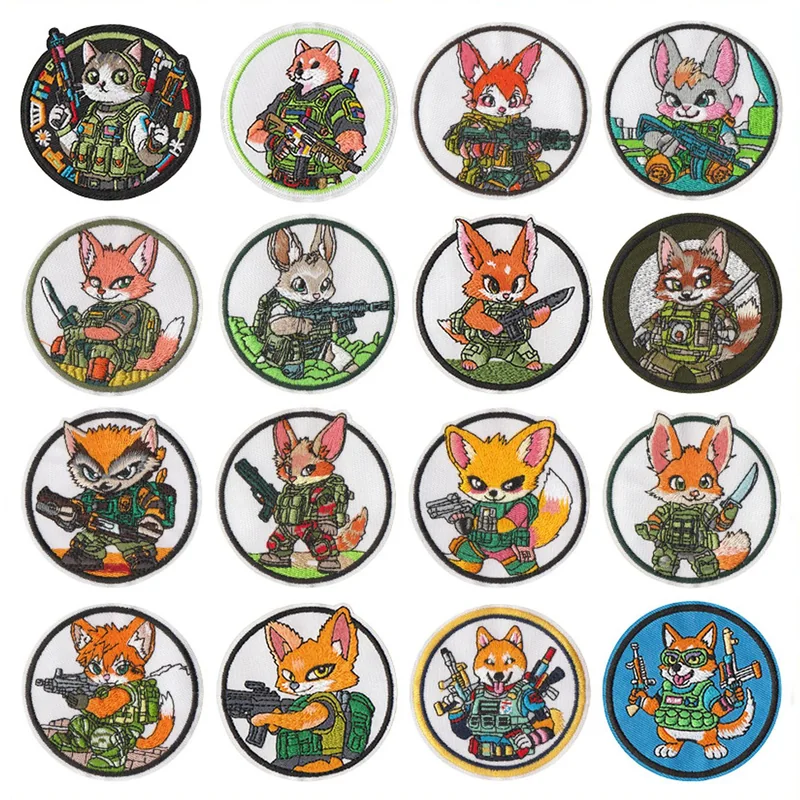
LY-PTC-030: Tactical Sniper Fox & Military Morale Shield Hook-and-Loop Embroidered Badge
80 × 80 × 3.8 mm (3.15 × 3.15 in) · 5,000+ Cycle Shear Endurance on Tactical Vests · OEM MOQ 100 pcs
View Full Engineering Specs →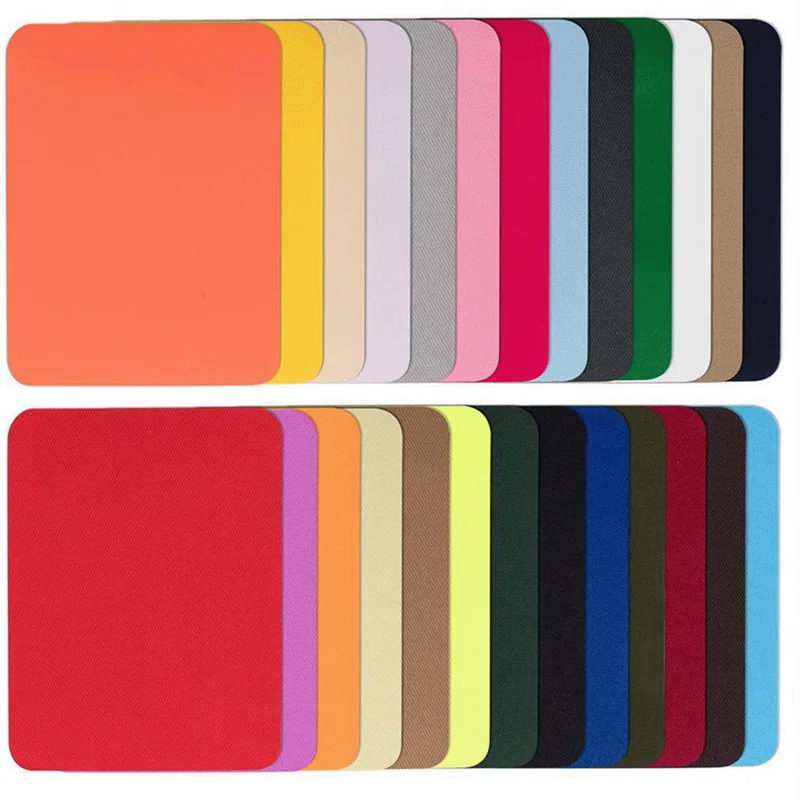
LY-PTC-033: 20-Color Rectangular Faux-Denim & Twill Cut-to-Size Iron-On Knee & Elbow Patch
125 × 95 × 1.2 mm (4.92 × 3.74 in) · 68 N (15.3 lbf) Heavy-Duty Knee/Elbow Bond · OEM MOQ 100 pcs
View Full Engineering Specs →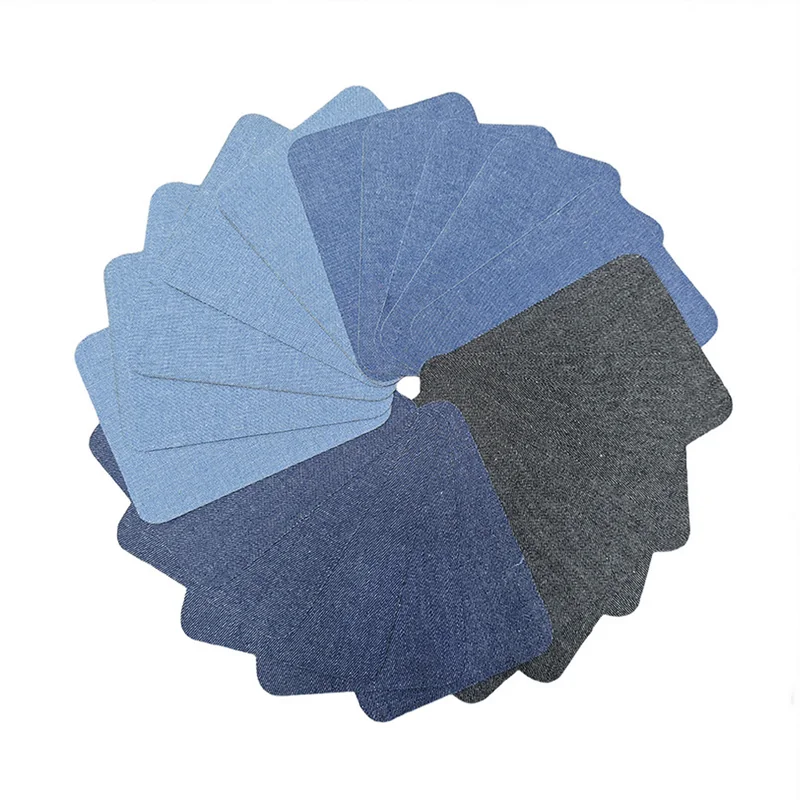
LY-PTC-035: 5-Shade Indigo Washed 12oz Cotton Denim Iron-On Jeans Tear Repair Patch Sheet
125 × 95 × 1.4 mm (4.92 × 3.74 in) · 72 N (16.2 lbf) Denim Reinforcement Tensile Bond · OEM MOQ 100 pcs
View Full Engineering Specs →Explore Companion Engineering Monographs in Our Knowledge Hub
- 150um EVA Hot-Melt Iron-On vs. 3M Self-Adhesive Patch Backing: ASTM D2724 Peel & Wash Engineering (2026-11-12)
- CCD Vision-Guided CO2 Laser Contour Sealing vs. 3.5mm Merrowed Overlock Borders in Patch Manufacturing (2026-11-14)
- 17-Line Multi-Head Computerized Embroidery Engineering: 75D vs. 120D Rayon Thread Density & Underlay (2026-11-17)
- 3D Looped Chenille & Towel Embroidery Engineering: 4.5mm Acrylic Loft, Double-Felt Base & Anti-Snag QC (2026-11-19)
- Cross-Border Amazon FBA Multi-Pack Patch Kitting: 2,200m2 Bin Warehouse, FNSKU Barcoding & EU MA-DPP (2026-11-24)